Over the course of its long history, the property that is now Sylvester Manor has been a Native American hunting ground, a feudal plantation staffed by Enslaved people, a market farm selling to cities across the northeast, and the country estate of Eben Norton Horsford, the father of modern food chemistry. In 2009, Bennett Konesni, a descendant of the founding Sylvester Family, began growing vegetables in the Windmill Field. It was his enthusiasm and vision that inspired the inception of the non-profit Sylvester Manor. Together with the strong support of his uncle, and heir to the estate, Eben Ostby, and a dedicated group of community members the 501c3 non-profit was born, with the mission to cultivate, preserve and share these lands, buildings and stories, inviting new thought about the importance of food, culture and place in our daily lives.
On the farm, we are able to reflect on the importance of food and the culture surrounding it over these last few centuries — who grew it, how it was processed, how it was shared or marketed, and the associated skills, songs, dances, and stories. It is this food culture that has helped shape how we as a community, view our food.
Today, we explore Sylvester Manor’s role in the future of food by inviting the community to share produce grown on the property through our CSA and Farmstand, and to attend workshops, concerts, dances and other events that shed light on food, culture and place.
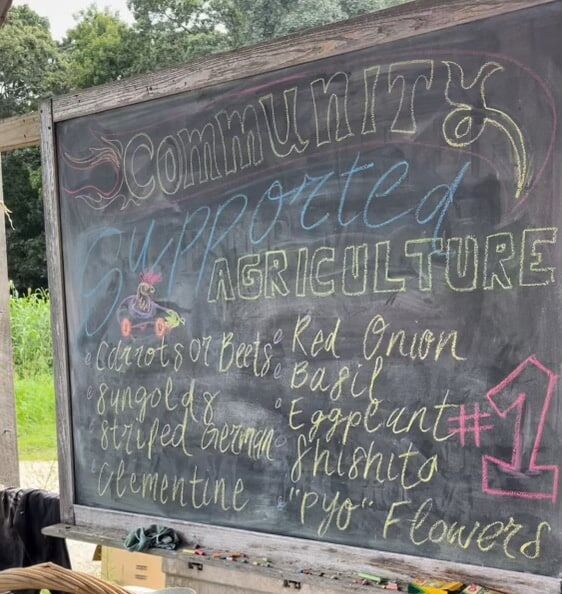
Community Supported Agriculture
CSA stands for Community Supported Agriculture, a relationship between a farm and its community. First started in 2009, our CSA is a partnership between the community and the farmer, where members share in the bounty and risks of farming.
Farming was the original reason Europeans came to Shelter Island in 1651. Re-establishing our community’s agricultural heritage in a sustainable way is an important part of Sylvester Manor’s mission.
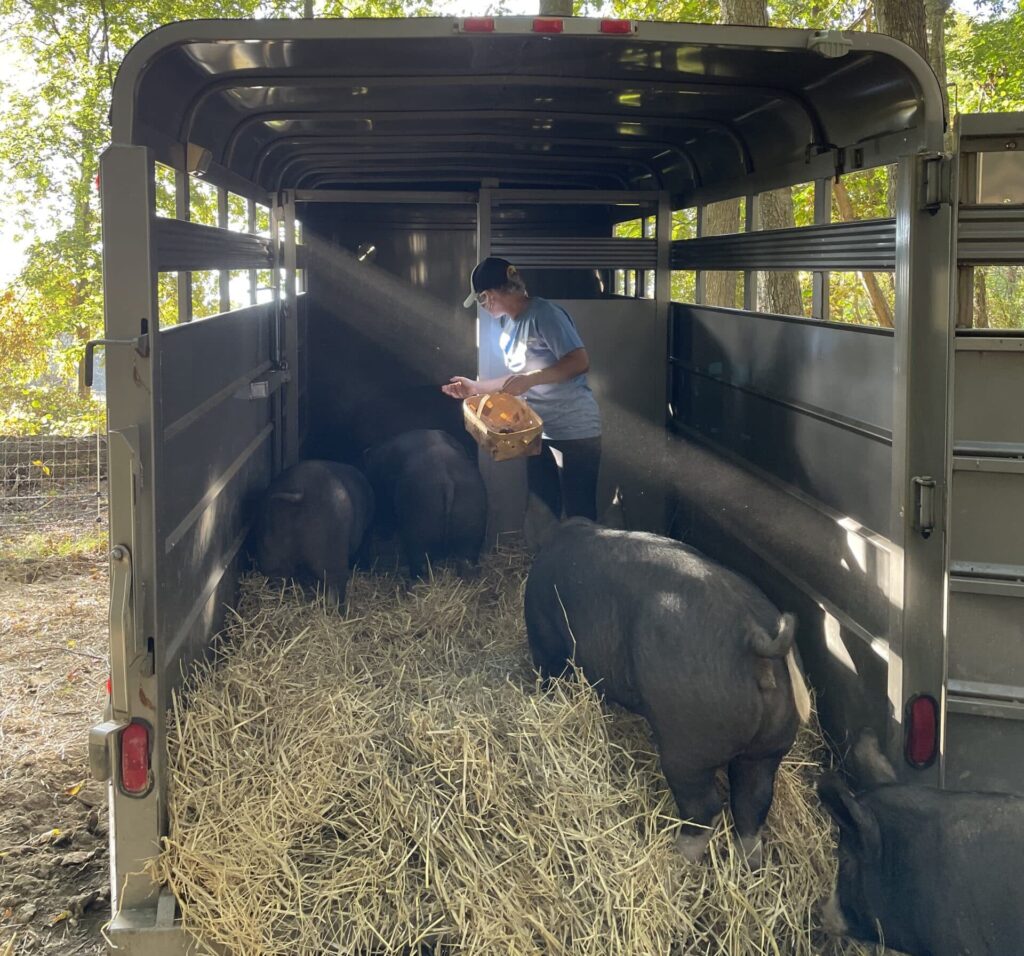
The fields and marginal woodlands are home to laying hens and heritage pigs. They produce eggs and pork that is sold or donated locally, while nourishing the land as they rotate through 60+ acres of preserved pasture land.
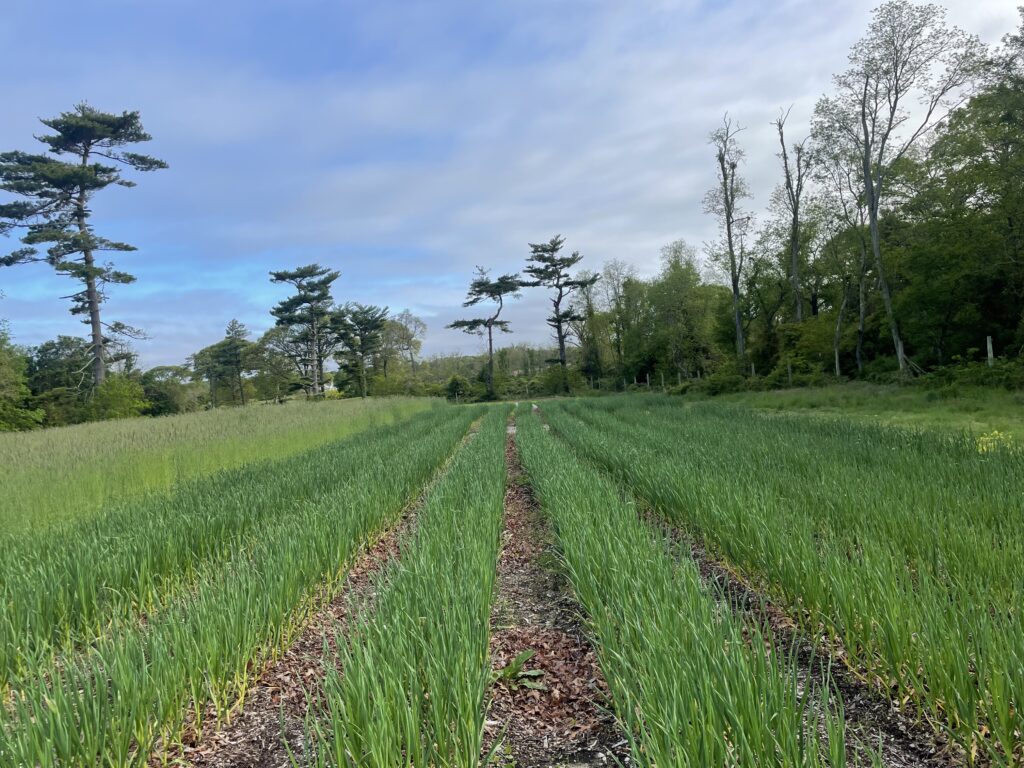
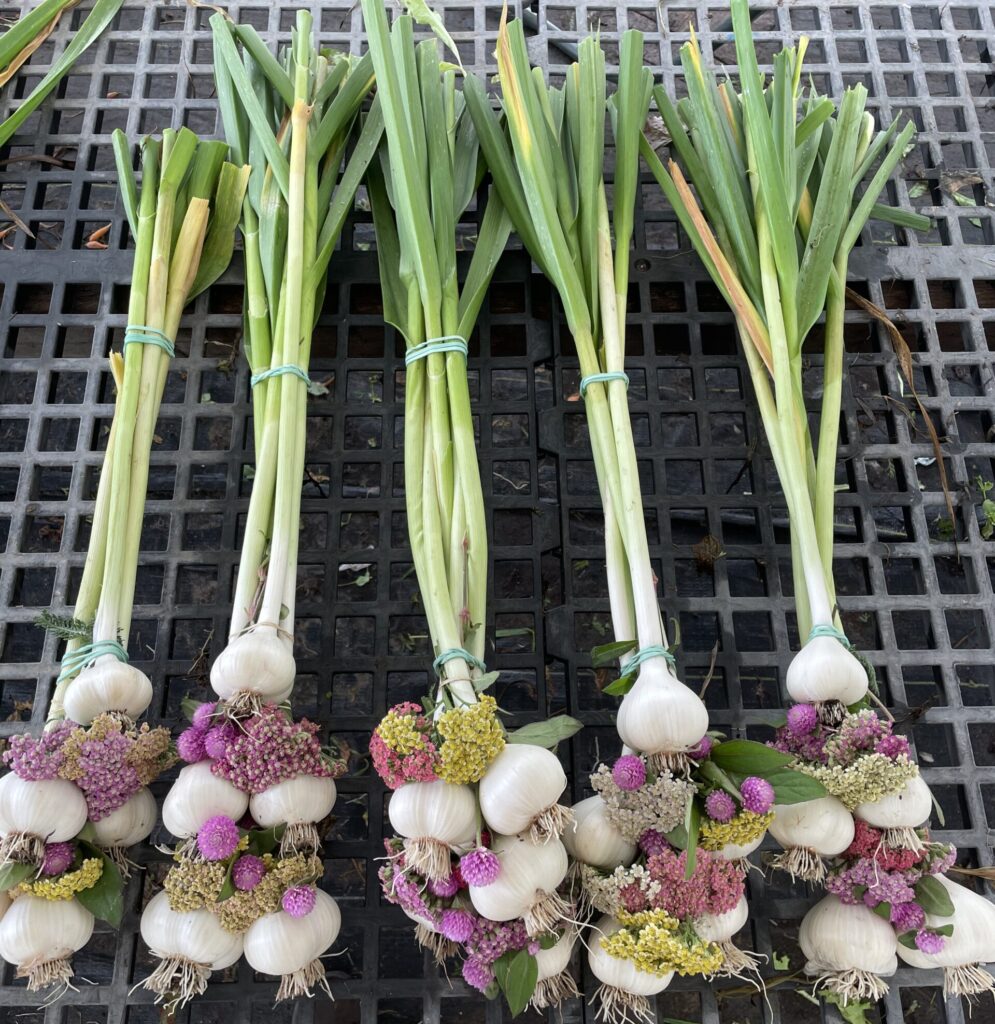
Since 2009, our production of vegetables, fruits and flowers in the Windmill and Hempstead Fields has grown substantially. We grow a wide variety of vegetables, unique flower varieties and have a berry program. In 2024, we built two additional high-tunnels which help us extend our growing season in both the spring and fall.
Resident Long-Season and Summer Farm Apprentices meet a critical need for farm labor and provide future farmers with experience to learn about sustainable farming. Our apprentices work in ever-expanding areas of food and livestock production. Come join our Farm Team!